
Before you go
Safari travel tips
What to arrange, what to pack and how to behave, so the only surprises on your trip are the good ones.
Before you go
What to arrange, what to pack and how to behave, so the only surprises on your trip are the good ones.
Last reviewed September 2026.
We are based in Karen, Nairobi. Entry rules and fees change, so the official pages are listed at the bottom. Ask us to confirm the current requirements for your nationality when you enquire.
Sort these first. Most delays on arrival come from paperwork rather than the flight.
Every visitor to Kenya, including infants and children, needs an approved Electronic Travel Authorisation (eTA) before departure. Apply on the official portal, etakenya.go.ke. Processing is typically three working days, but can take longer, so apply at least a week ahead. A single-entry eTA is valid for travel within 90 days of issue and costs US$30. Citizens of East African Community partner states are exempt.
An ordinary Tanzanian tourist visa is US$50 and valid for up to 90 days, applied for through the official immigration e-Visa portal. US citizens are asked to take the US$100 multiple-entry visa instead. Visas are also available on arrival at official entry points, but applying online first saves time at the airport. Some Commonwealth and regional nationalities need no visa, so check yours.
Carry a passport valid for at least six months from arrival with at least one blank page. Keep a photo of the details page on your phone, and give us your name exactly as it appears on the passport so flights and park permits match.
If your trip covers both countries, you will need the entry permission for each. Ask us what to apply for when you plan a Kenya to Tanzania circuit, and we will check the requirements for your nationality.
Speak to a travel clinic well before you go. This is general information, not medical advice.
Book an appointment several weeks before departure. Health authorities commonly suggest typhoid and hepatitis A protection for Kenya, with other vaccines depending on your plans and history. Your doctor will decide what suits you.
Malaria is a risk in most low-lying parts of Kenya, and health agencies advise preventive medication for those areas. Ask your doctor which one suits you. Yellow fever proof is generally required only if you arrive from a country with yellow fever transmission risk, so check your route.
Stick to thoroughly cooked food and reputable restaurants, and drink bottled or filtered water. Your lodge or camp will provide safe drinking water. Wash hands often, especially before eating.
Cover trip cancellation, medical care and emergency evacuation. Remote parks are far from hospitals, and evacuation is the cost that surprises people most. Buy the policy when you pay your deposit, so cancellation cover is in place from day one.
Kenya is card-friendly in cities and cash-friendly everywhere else.
The local currency is the Kenya shilling (KES). Cards work in Nairobi hotels and larger restaurants, but small camps, markets and roadside stops often want cash. Carry small notes for tips and purchases, and use ATMs in town rather than in the bush.
A common guide is about US$20, or KSh 2,000, per room or tent per day, split roughly half to your driver-guide and half to the camp staff. Give the guide’s share at departure, and put the staff share in the camp tip box. Tipping is discretionary, so give what reflects your service.
In Nairobi and on the coast, about ten percent of a restaurant bill is customary if no service charge is added. At hotels, KSh 100 to 200 for a bellhop and a small daily amount for housekeeping is usual.
Check your quote for what is covered, such as park fees, meals and drinks, and what is not. Ask us if anything is unclear before you pay.
Pack light, in layers, and in natural colours.
Neutral colours such as khaki, olive and tan are best, and layers matter because early game drives are cool and midday is warm. Bring a warm fleece or jacket, a sun hat and comfortable closed shoes. Do not pack camouflage: military-style prints are illegal for civilians in Kenya.
Small safari planes and camp transfers often set a luggage limit and prefer soft-sided bags rather than hard suitcases. Ask us for the luggage limit on your itinerary before you pack.
Binoculars, a good sunscreen, insect repellent, a torch or headlamp, a power bank and a UK-style Type G plug adapter. Kenya’s mains supply is 240V. A reusable water bottle helps too, because single-use plastics are restricted in protected areas.
Kenya has banned plastic carrier bags with handles since 2017. Zip-lock pouches are fine, but loose shopping bags can be taken at the airport, so use a cloth tote instead.
A little etiquette keeps the animals calm and the experience better for everyone.
Your driver-guide reads animal behaviour and the terrain. Stay seated inside the vehicle, keep arms and cameras inside, and never step out unless the guide says it is safe.
Speak softly, switch off flash, and let animals decide how close they come. Never feed or call to wildlife. Patience is what produces the best sightings.
Foreign visitors need permission from the Kenya Civil Aviation Authority to fly a drone, and drones are not allowed in national parks and reserves. Many private conservancies and lodges also ban them, so leave yours at home unless we have confirmed otherwise.
Do not photograph airports, police officers or government buildings. Ask before photographing people, and expect that some communities will ask for a small payment or decline.
Your trip supports conservation and the communities around the parks.
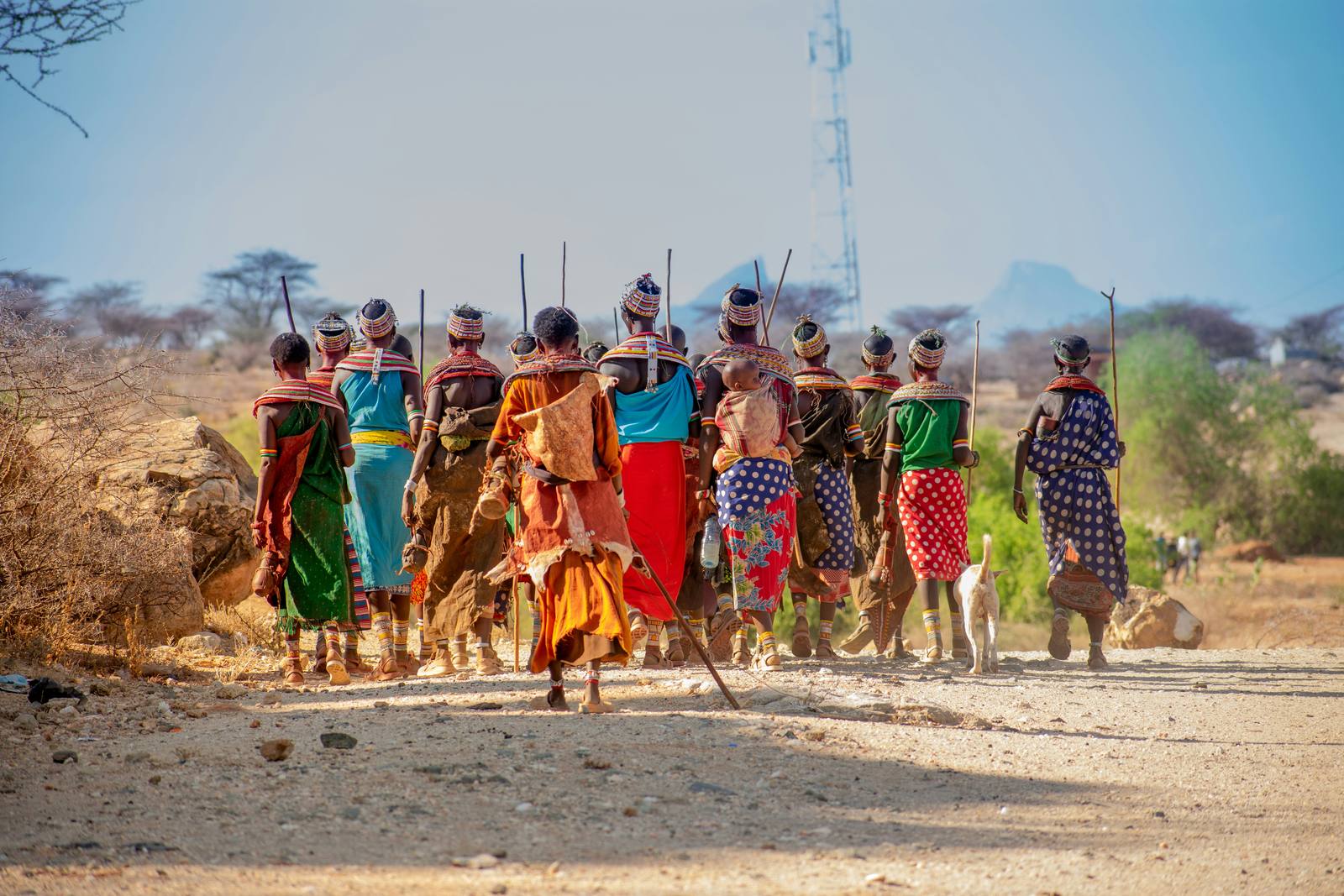
Conservancies and community visits keep tourism income local. We can build cultural visits, such as time with Samburu or Maasai communities, into your itinerary in a way that respects them.
Buy crafts directly from the makers, pay fairly and skip anything made from wildlife products. Ask us where to shop with confidence.
Carry out your rubbish, keep to marked tracks and do not pick plants or take shells and stones from parks or beaches.
Keep planning
Our month-by-month guide shows the best time for the migration, Kilimanjaro views and the beach.
Rules and fees change. Check the official page before you travel, and we will confirm the current figures in your quote.
Message us on WhatsApp or send a booking enquiry, and a Nairobi-based travel specialist will reply.